
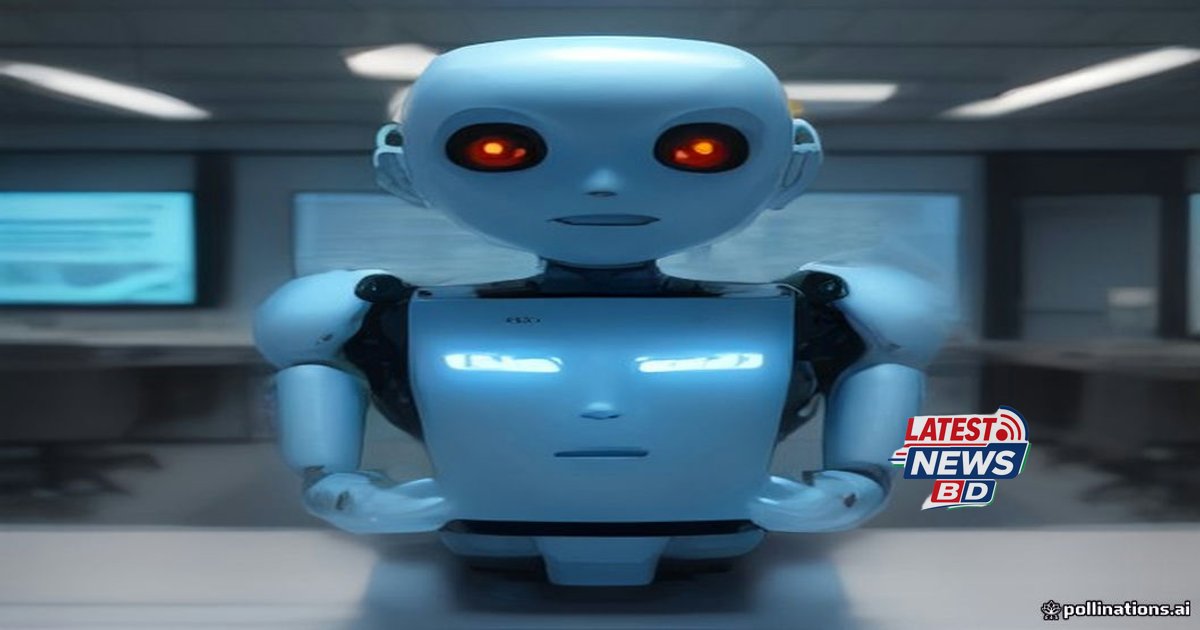
Meta Develops Humanoid Robot for Household Chores
Meta Platforms has entered the competitive humanoid robotics arena with a new prototype codenamed 'Max', designed specifically to handle household chores and domestic responsibilities. According to reports from The Information, the social media giant is collaborating with a prominent Chinese robotics manufacturer to accelerate development of this bipedal machine, marking a significant strategic pivot toward physical AI applications beyond its core metaverse and social media businesses. The Max prototype represents Meta's most ambitious foray yet into embodied artificial intelligence, combining advanced computer vision, natural language processing, and dexterous manipulation capabilities to navigate complex home environments. Unlike industrial robots confined to structured factory floors, Max must operate safely around humans, pets, and unpredictable domestic layouts — requiring breakthroughs in real-time perception, balance control, and adaptive decision-making. Meta's Reality Labs division, which has invested heavily in augmented and virtual reality hardware, is reportedly leveraging its expertise in sensor fusion and spatial computing to give the robot a nuanced understanding of 3D spaces. The partnership with a Chinese firm — speculated to be Unitree Robotics or UBTECH — provides access to mature supply chains for actuators, lightweight composites, and mass-production engineering, potentially reducing time-to-market. This move positions Meta against rivals like Tesla's Optimus, Figure AI, and 1X Technologies, all racing to commercialize general-purpose humanoids. While Max remains in early prototype stages with no announced release date, its development signals growing Big Tech conviction that the next computing platform extends beyond screens into physical world interaction. Analysts suggest initial deployments could target elder care, disability assistance, and repetitive household labor, addressing demographic shifts in aging societies. However, significant hurdles remain: battery life for full-day operation, cost reduction from current six-figure prototypes to consumer-affordable prices, and robust safety certification for intimate home use. Meta's open-source approach to AI models like Llama may also extend to robotics software stacks, fostering developer ecosystems. If successful, Max could redefine domestic life by the 2030s, transforming how humans allocate time between labor and leisure — a profound societal shift driven by silicon valley's latest moonshot.
Key Highlights
- Meta unveils 'Max' humanoid prototype for domestic chores via Chinese manufacturing partnership
- Reality Labs leverages spatial computing expertise for home navigation and manipulation
- Positions Meta against Tesla Optimus, Figure AI in race for general-purpose humanoids
- Initial targets include elder care and repetitive household labor amid aging demographics
- Major hurdles remain: battery life, cost reduction, and home safety certification
Source: bdnews24.com
Read Full Article
Post a Comment