
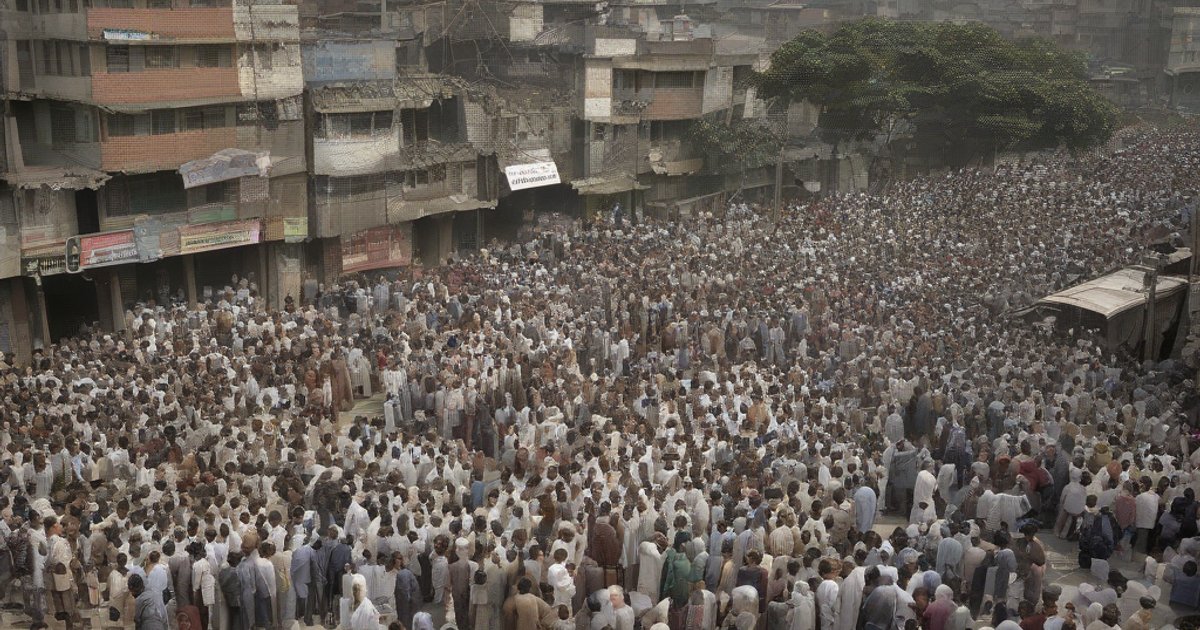
Bangladeshi Workers Executed in Mecca: Consular Failure Exposed
The execution of two Bangladeshi nationals in Mecca on October 14 has ignited a firestorm of criticism over the government's inability to protect its citizens abroad. The victims, hailing from Brahmanbaria, were put to death under Saudi Arabia's opaque judicial system while the Bangladesh embassy in Riyadh reportedly remained unaware of the final verdict until after the sentence was carried out. This tragic episode lays bare the skeletal state of legal safeguards for the millions of Bangladeshi migrant workers who form the backbone of the nation's remittance economy.
Details emerging from the case suggest a cascade of diplomatic and institutional failures. The workers were arrested years earlier on charges that remain contested by their families, who allege procedural irregularities, lack of translation services, and absence of competent legal representation. Despite repeated pleas from relatives and human rights groups, the Ministry of Expatriates' Welfare and the Foreign Ministry failed to secure consular notification — a fundamental right under the Vienna Convention on Consular Relations, to which both nations are signatories. The embassy's silence until the eleventh hour raises troubling questions about monitoring mechanisms for citizens on death row across the Gulf.
This is not an isolated incident. Over the past decade, dozens of Bangladeshi migrants have faced capital punishment in Saudi Arabia, the UAE, and Malaysia, often with minimal diplomatic intervention. Rights advocates argue that the government treats migrant workers as revenue sources rather than citizens entitled to protection. The 2013 Overseas Employment and Migrants Act mandates legal aid and consular support, yet implementation remains woefully inadequate. Recruitment agencies operate with impunity, sending workers into exploitative conditions without proper contracts or legal orientation.
The Mecca executions demand a paradigm shift. Bangladesh must negotiate binding consular access agreements with major destination countries, establish a dedicated legal defense fund for migrants facing capital charges, and enforce accountability for recruitment violations. The Prime Minister's Office should directly oversee a rapid-response unit for death-penalty cases. Without systemic reform, the 'skeletal picture' of legal protection will continue to haunt families who send loved ones abroad in hope, only to receive their bodies in coffins. The nation's economic reliance on remittances — exceeding $22 billion annually — carries a moral obligation: every worker's life must matter as much as their labor.
Key Highlights
- Two Bangladeshi nationals from Brahmanbaria executed in Mecca on October 14 without prior consular notification
- Bangladesh embassy in Riyadh reportedly learned of executions only after they occurred, violating Vienna Convention obligations
- Case exposes systemic gaps in legal protection for over 10 million Bangladeshi migrant workers across Gulf states
- Government has failed to implement mandatory legal aid provisions under the 2013 Overseas Employment and Migrants Act
- Rights groups demand binding consular agreements, dedicated defense fund, and PMO-level rapid-response unit for capital cases
Source: bdnews24.com
Read Full Article
Post a Comment